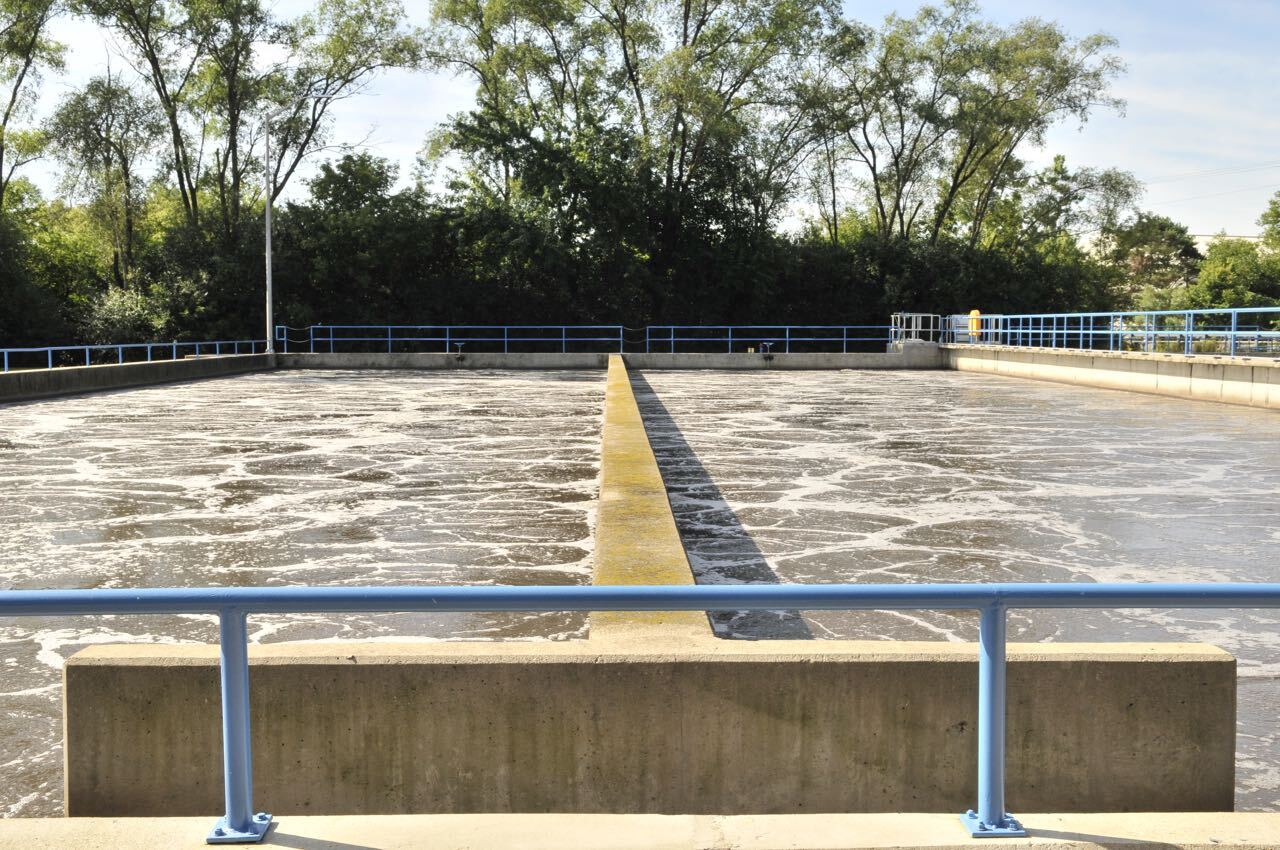
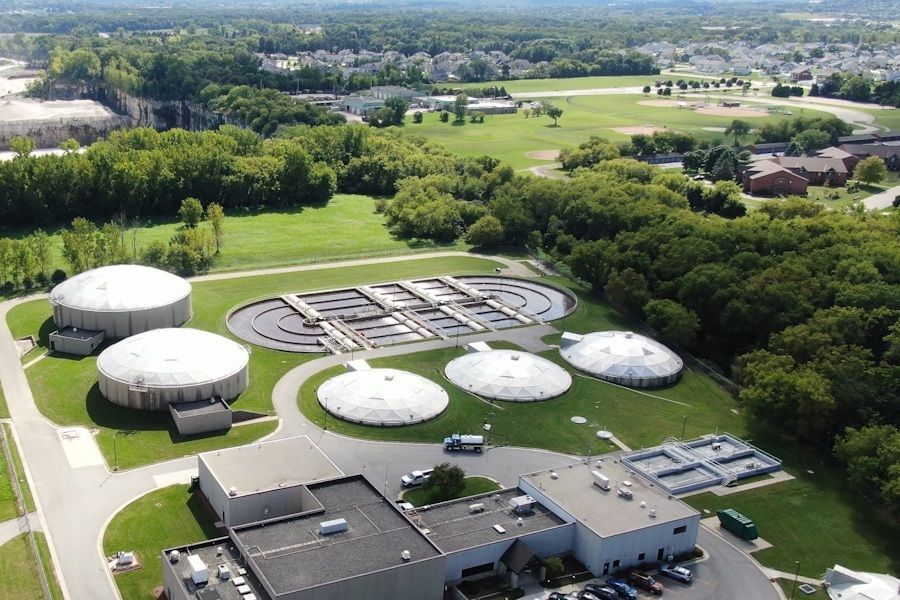
The Village of Sussex’s 2025 WPCF Improvements Project reached final completion in September, delivering upgrades to the facility’s influent screening, tertiary filtration, and aeration systems. Together, these improvements strengthen the facility’s reliability and efficiency for years to come. The project’s success reflects the collaboration among the Village of Sussex, Trotter and Associates as project engineer, contractors Sabel Mechanical and Pieper Electric, and the project’s equipment partners. Shortly after completion, the Village hosted the Southeast Region of the Wisconsin Wastewater Operators’ Association (WWOA) at the facility as part of its Ops-to-Ops program, which connects wastewater operators with neighboring facilities for tours, continuing education, and networking. Visiting operators walked through the upgraded systems, discussed project considerations and outcomes, and shared insights with peers. Trotter and Associates thanks the WWOA Southeast Region for its support and the Village of Sussex for opening its doors to fellow professionals. Projects like this one, and the knowledge sharing that follows, show the value of strong partnerships among owners, engineers, contractors, and operators.
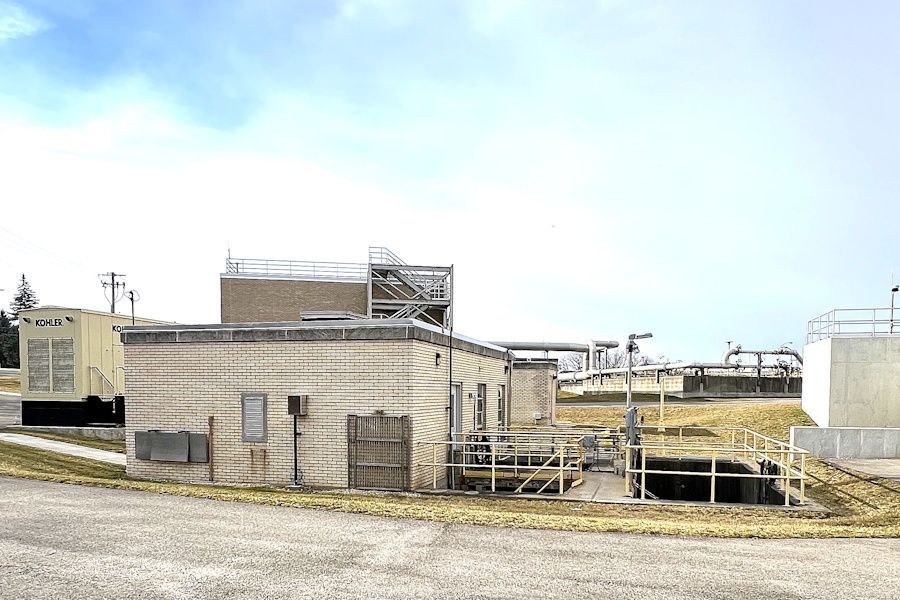
The Fox River Water Reclamation District, Trotter and Associates, Inc., and IHC Construction Companies LLC are moving into the construction phase of the ADP Bar Screen Installation project at the District’s Albin D. Pagorski WRF (ADP WRF) in Elgin, IL. The project will replace two existing comminutors with Mechanical Bar Screens and washer compactors, both manufactured by Headworks International. The bar screens will be installed on the existing channels at Pump Station 10. To allow the District to operate and maintain the equipment in a weatherproof environment, a prefabricated fiberglass enclosure will be installed over the channels. The pump station and screen channel are located within the 100-year floodplain. To protect the District’s investment, a floodproof wall will be constructed around the screening channels and wet well. The design includes swinging flood doors to protect access and screening disposal openings in the floodwall. The project is projected to be completed in Fall 2027. Upon completion, the District will be able to screen up to 53 MGD. This allows the District to meet one of its planning goals: implementing screening processes at the ADP WRF.
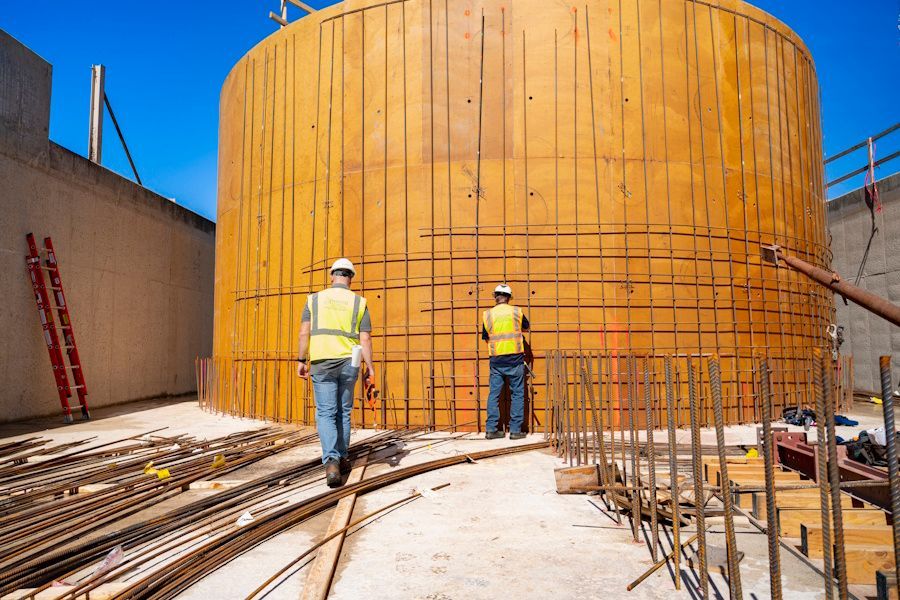
The Village of Roselle's Jerry A. Botterman STP Biological Nutrient Removal Upgrades project includes structural improvements that enhance the wastewater treatment facility while building on the long-term value of existing infrastructure. The project focuses on strategically repurposing existing structures to support updated treatment processes, improve operational efficiency, and provide flexibility for future facility needs. Structural improvements include modifications to the existing oxidation ditch to create separate treatment zones through the addition of new reinforced concrete walls, walkways, covers, and mixer supports. To support uninterrupted treatment operations, construction was carefully phased so only one oxidation ditch was taken out of service at a time. The project also repurposes the former return activated sludge flume area to accommodate new motor control centers (MCCs) and variable frequency drives (VFDs) beneath a new lean-to protective roof structure. In addition, a new masonry chemical feed building was designed with the capacity to accommodate a future second alum storage tank, providing flexibility to support the Village's long-term operational objectives.
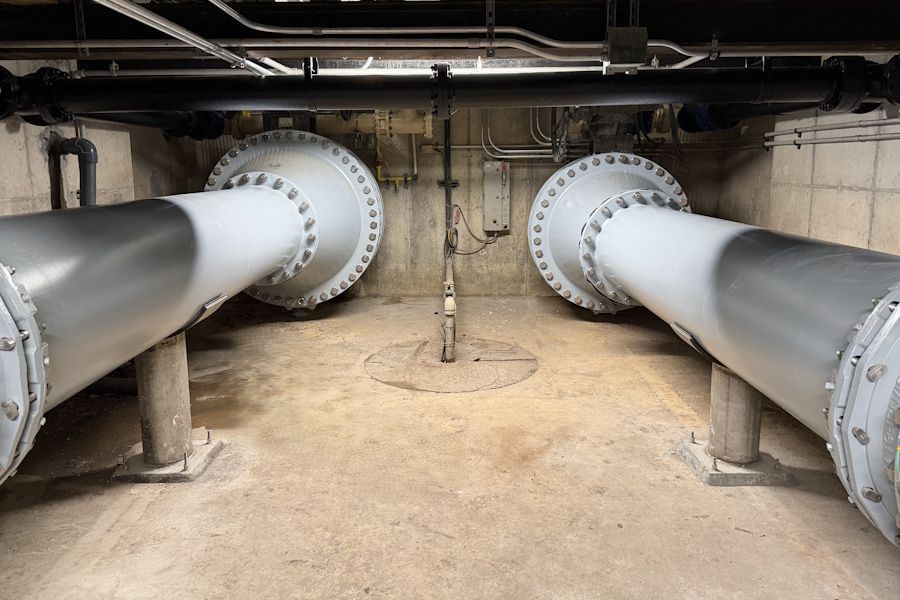
The Primary Clarifier Improvements Project for the Glenbard Wastewater Authority is officially complete. Trotter and Associates, Inc. provided design and resident engineering services for this rehabilitation project, which upgraded aging treatment equipment while improving operational flexibility and reliability. Major improvements included rehabilitation of the Authority’s two primary clarifiers and gravity thickener with new stainless steel collection mechanisms, replacement of sludge and scum pumps, piping, valves, meters, and associated electric and control systems, replacement of clarifier influent and effluent gates with the addition of electric actuators, replacement of large-diameter clarifier effluent piping in their diversion structure, and installation of new thickened waste activated sludge piping from the gravity thickener to the existing anerobic digesters to allow additional operational control of the primary sludge and thickened waste activated sludge. Additional upgrades focused on improving plant operations and odor mitigation by installing primary clarifier launder covers and a new walkable aluminum flat cover over the gravity thickener. Construction was completed while maintaining continuous plant operations. A 47 MGD temporary bypass system was implemented to facilitate installation of the diversion structure gates and large-diameter clarifier effluent piping, while a temporary solids thickening operation maintained the solids treatment processes during the gravity thickener equipment rehabilitation. Project Team Included: Glenbard Wastewater Authority, Trotter and Associates, Inc., Vissering Construction, Dahme Mechanical Industries, Connelly Electric Co., and TRI-R Systems, Inc.
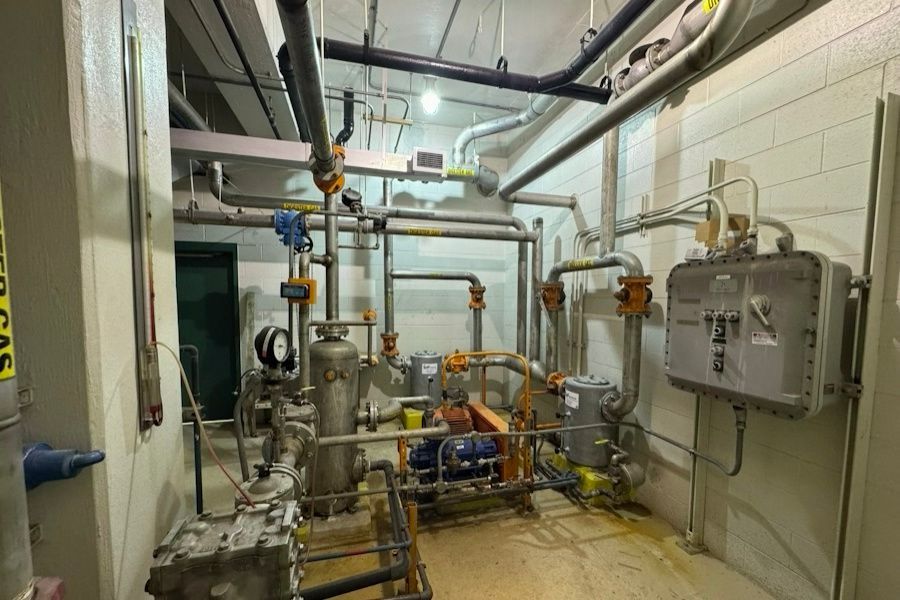
The City of Burlington, WI continues to invest in reliable wastewater infrastructure with planned improvements to the Primary Digester mixing system at its Water Pollution Control Facility. Trotter and Associates provided engineering services for the project, which will replace the existing gas mixing system with a pumped jet mixing system similar to the technology currently operating in the facility's secondary digester. The improvements will support long-term operational reliability and treatment performance. The project went out to bid in January and was awarded to Rohde Brothers, Inc. Construction is planned for the Fall of 2026.
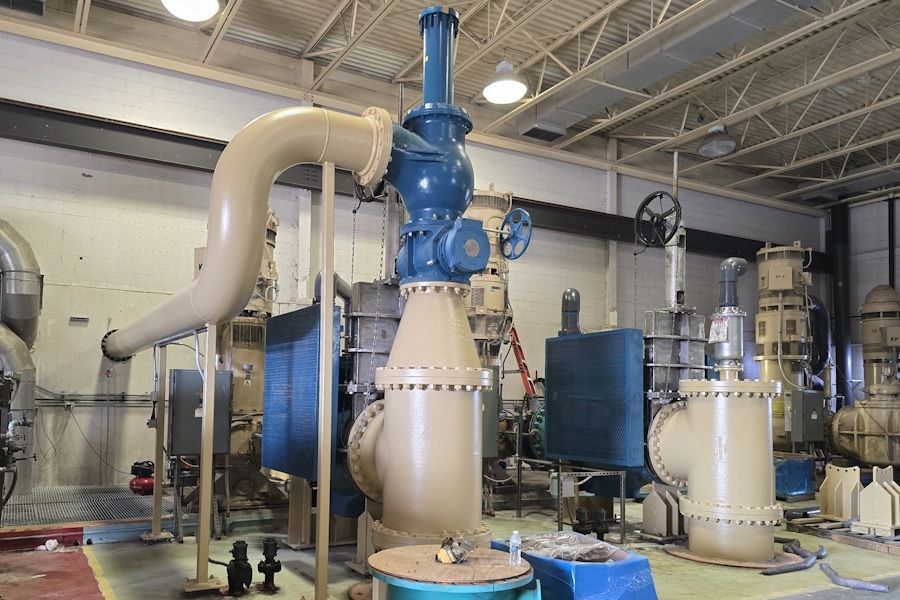
Fox Metro Water Reclamation District is nearing completion of a valve replacement project for the pumps serving the 54" Primary Clarifier Effluent (PCE) and 42" Return Activated Sludge (RAS) force mains. The hydraulically operated plug valves, originally installed in the 1970s, are being replaced with conventional plug/check valve arrangements, along with surge and air-release valves where required. To date, Dahme Mechanical Industries has completed valve installations on all three RAS pumps and three of the four PCE pumps, with the final pump expected to be completed in the coming weeks. Before the mechanical work, a floor shoring system was installed to reinforce a portion of the elevated slab and properly support the new valves. TAI's involvement in this project has spanned from the early planning stages, including structural condition verification, pump system curve analysis, and surge analysis, through the preparation of bidding documents, and now into active construction support.