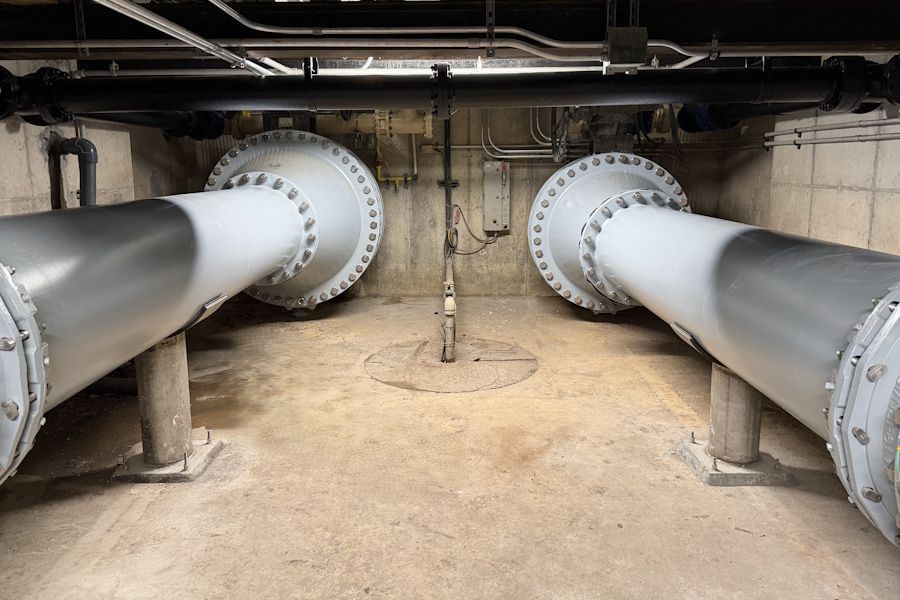
The Primary Clarifier Improvements Project for the Glenbard Wastewater Authority is officially complete. Trotter and Associates, Inc. provided design and resident engineering services for this rehabilitation project, which upgraded aging treatment equipment while improving operational flexibility and reliability. Major improvements included rehabilitation of the Authority’s two primary clarifiers and gravity thickener with new stainless steel collection mechanisms, replacement of sludge and scum pumps, piping, valves, meters, and associated electric and control systems, replacement of clarifier influent and effluent gates with the addition of electric actuators, replacement of large-diameter clarifier effluent piping in their diversion structure, and installation of new thickened waste activated sludge piping from the gravity thickener to the existing anerobic digesters to allow additional operational control of the primary sludge and thickened waste activated sludge. Additional upgrades focused on improving plant operations and odor mitigation by installing primary clarifier launder covers and a new walkable aluminum flat cover over the gravity thickener. Construction was completed while maintaining continuous plant operations. A 47 MGD temporary bypass system was implemented to facilitate installation of the diversion structure gates and large-diameter clarifier effluent piping, while a temporary solids thickening operation maintained the solids treatment processes during the gravity thickener equipment rehabilitation. Project Team Included: Glenbard Wastewater Authority, Trotter and Associates, Inc., Vissering Construction, Dahme Mechanical Industries, Connelly Electric Co., and TRI-R Systems, Inc.
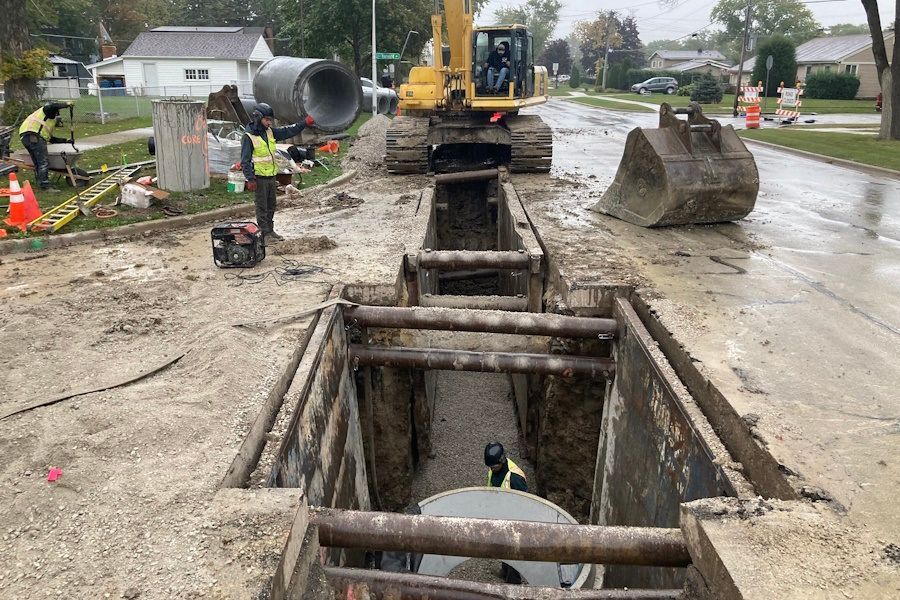
The Village of Addison is implementing a major project to separate combined sewers in the Home Addition area, which is the largest remaining combined sewer tributary in the community. The project includes separating the area's existing combined sewer system, which currently manages both wastewater and stormwater runoff, into separate sanitary and storm sewer systems. About three miles of new storm sewer, ranging from twelve to sixty inches in diameter, will be installed and directed to Salt Creek through an existing 84-inch relief storm sewer. To connect to the existing 20-foot-deep relief sewer, two custom-made junction chambers (10-foot by 12-foot and 8-foot by 10-foot) have been installed. Another key part of the project is building a stormwater detention facility at Cherokee Park, which is the lowest point of the drainage basin and the area most vulnerable to flooding. Since June of 2025, the contractor has completed approximately two and a half miles of storm sewer installation. The remaining sewer work and excavation of the detention pond are expected to be finished in the coming months. Along with storm sewer upgrades, lead water services found during construction are being replaced. So far, 65 lead water services have been taken out of the Village's water system. Once finished, the Village’s sanitary sewer system will experience significantly lower flows during wet weather. This decrease in flows will help prevent basement backups, street flooding, and combined sewer overflow discharges previously suffered by the Village. The project will also lessen the volume of stormwater runoff treated at the AJL Wastewater Treatment Plant. It remains on schedule and is expected to be completed by summer 2026.
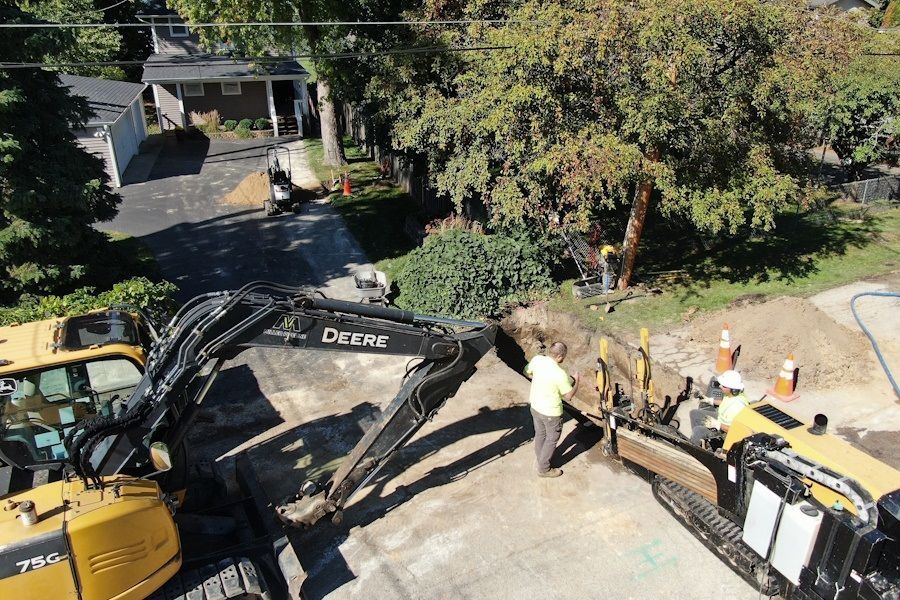
Phase 2 of the Village of Fox Lake's Lead Service Line Replacement Program is nearing completion. This program aligns with the 2024 updates to the EPA's Lead and Copper rules, which require water providers to begin replacing lead and galvanized water service lines. The original water system in the project areas dates back to 1929, when lead water services were common. To comply with regulations, all lead and galvanized water services are being replaced from the water main to the customer's meter inside the house. Both phases of this program are funded through the IEPA's Public Water Supply Loan Program, in which the Village has received principal forgiveness for the entire $5.1 million loan. To date, the program has replaced approximately 350 water services, and Phase 2 is expected to be completed by June 2026.
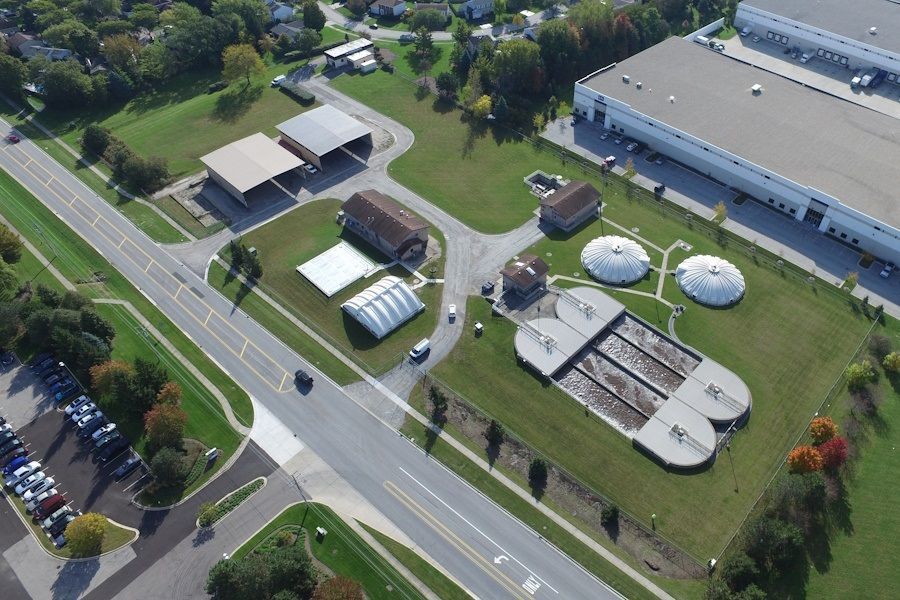
The Village of Roselle has begun construction of the Biological Nutrient Removal Upgrade Project at its Jerry A. Botterman Sanitary Treatment Plant. The project incorporates recommendations outlined in the Village’s 2022 Wastewater Facility Plan, which ensure compliance with future wastewater effluent regulations and improve the facility's reliability by replacing aging equipment. The improvements include converting the existing Oxidation Ditch to a Biological Nutrient Removal process for phosphorus and nitrogen removal, construction of a Chemical Feed Building to allow Alum to be used to aid in the phosphorus removal process, and replacement of the Influent Screens and Final Clarifier equipment. John Burns Construction Company began construction of the Chemical Feed Building in the fall of 2025, work is progressing as scheduled. Over the next year, Trotter and Associates will continue to work closely with the Village and John Burns Construction Company to help ensure the project’s success.
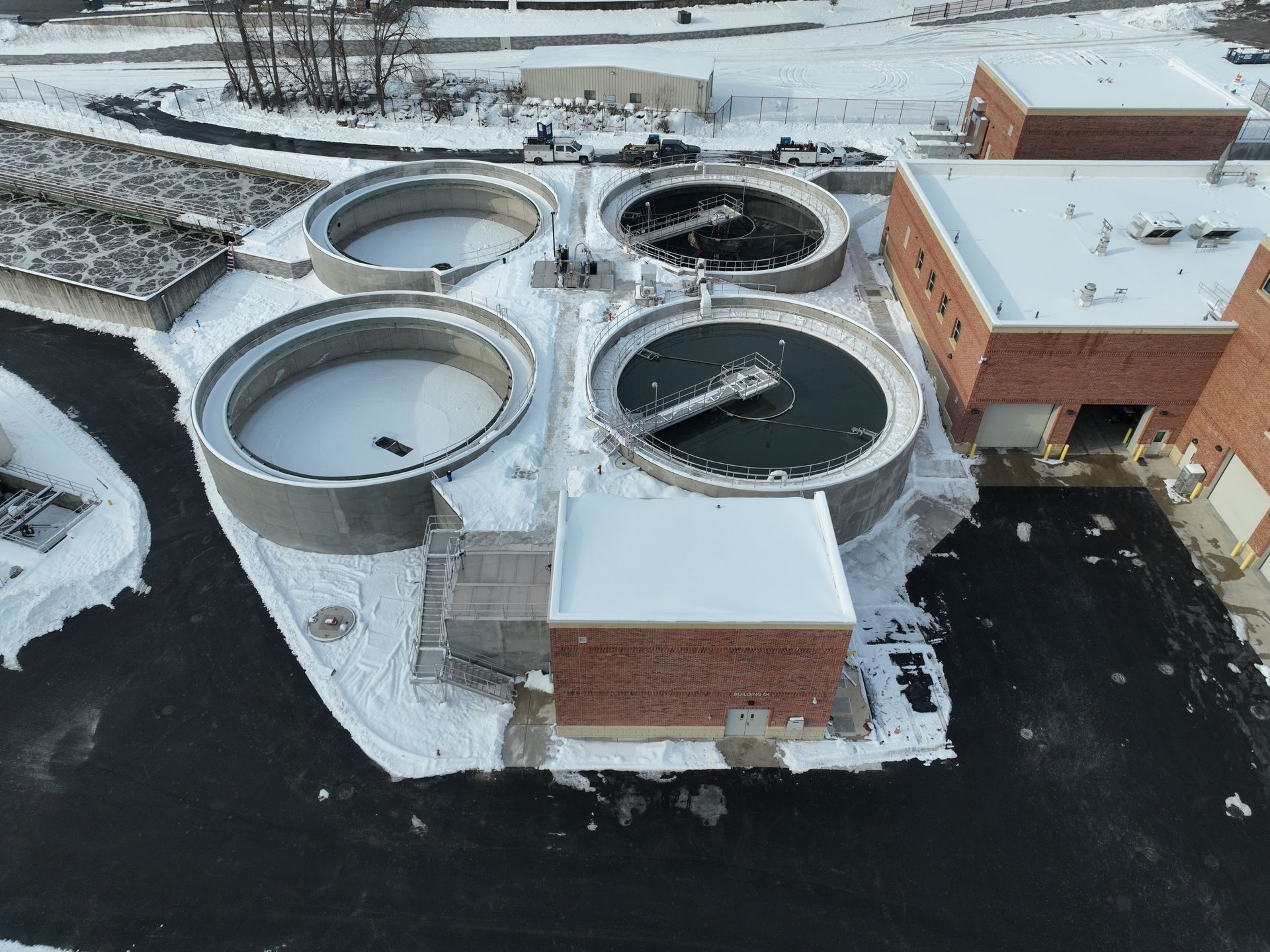
The $42.6 Million Phase 2A Rehabilitation project at the City of Batavia's WWTF is nearing completion, several months ahead of schedule and with less than 0.5% in change orders. After completing off-site utility and roadway replacement, bike path realignment, replacement of the process flow disinfection system, and rehabilitation of the final clarifiers, wastewater was completely transferred over to the brand-new Headworks and Primary Clarifiers in October 2025. This project’s success is a result of the outstanding dedication and collaboration of the General Contractor IHC, the City of Batavia Public Works staff, and our Trotter project representatives. We sincerely thank everyone for making this achievement possible!
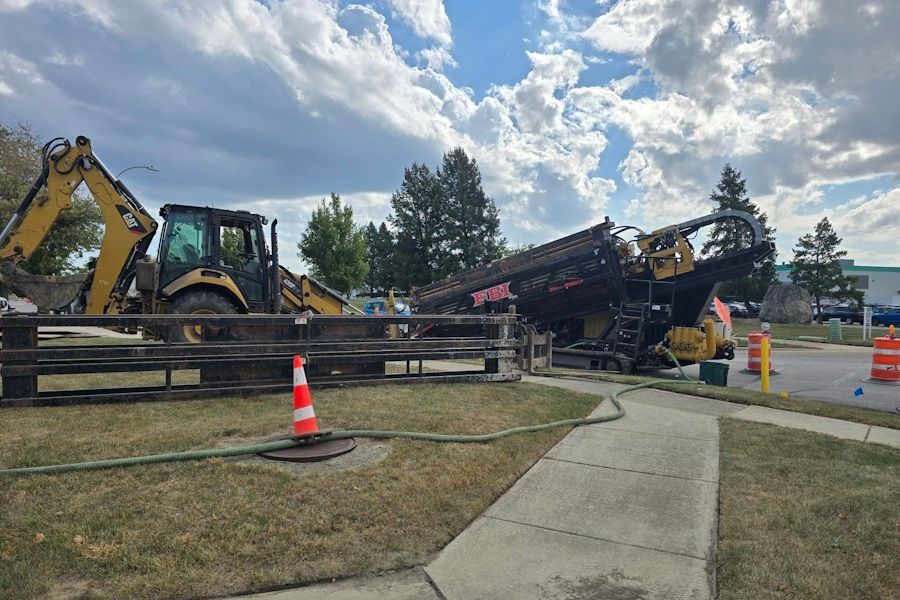
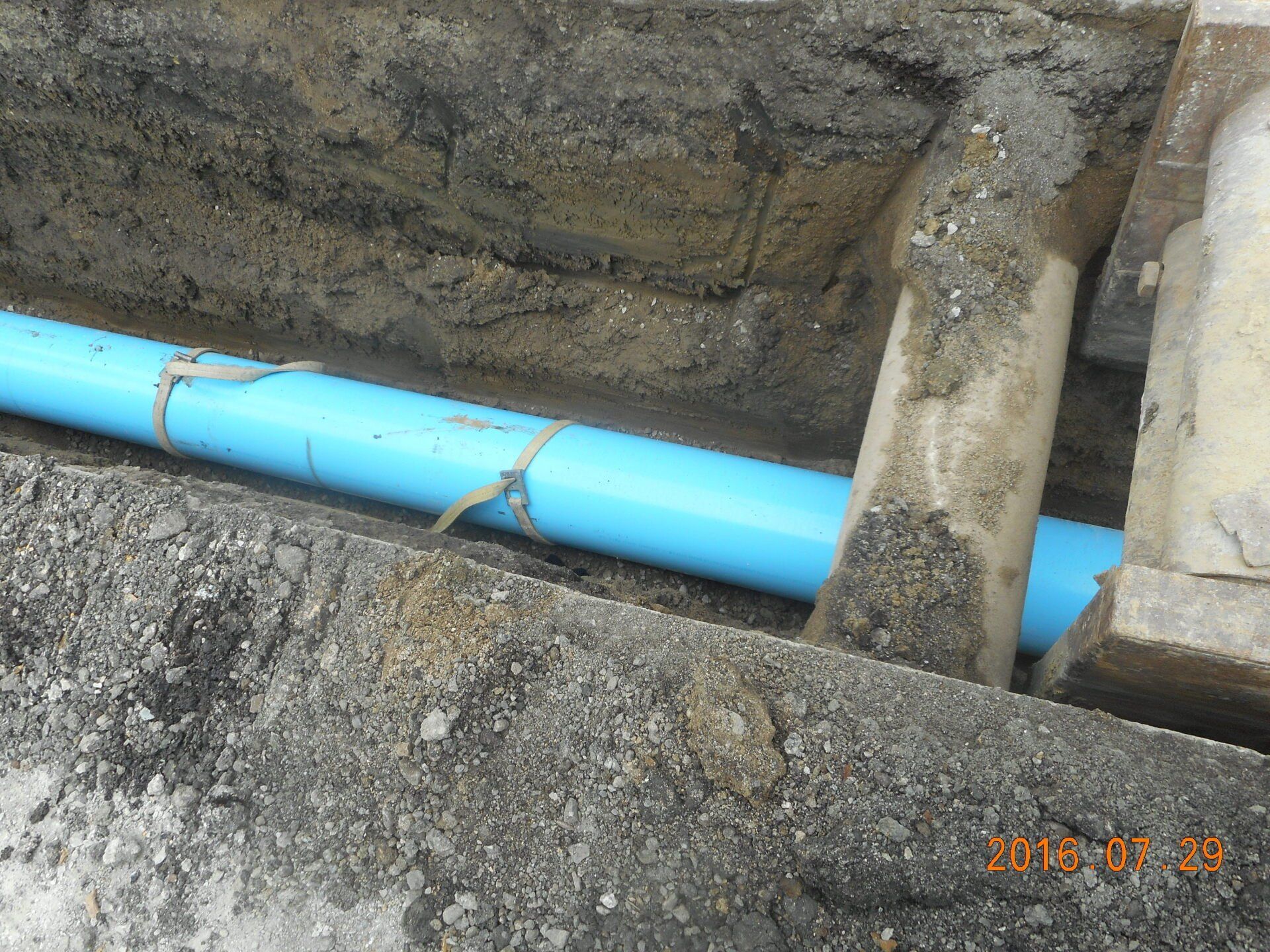
The City of Saint Charles has completed Sequence #1 of the Ohio Avenue and Kautz Road Raw Water Main Installation Project, advancing critical water infrastructure improvements. The work included installing a new raw water main between Well No. 8 and the future Well No. 14, along with other key infrastructure components and roadway restoration. Most of the water main was installed using horizontal directional drilling to minimize surface impacts and limit disruption, and hydrants were installed by open-cutting. Trotter and Associates supported the City by securing EPA funding, designing the water main alignment, assisting with the bidding process, and observing construction in cooperation with City staff.